


 371
371From September 21 to 22, 2026, the National Conference on Local Climate Action Practices and Project Summary and Exchange Meeting was successfully held in Beijing. The event was organized by the National Center for Climate Change Strategy and International Cooperation (NCSC) under the “Local Capacity Building for Climate Action” project of the Zhenhua Green Transformation and Sustainable Development Fund.
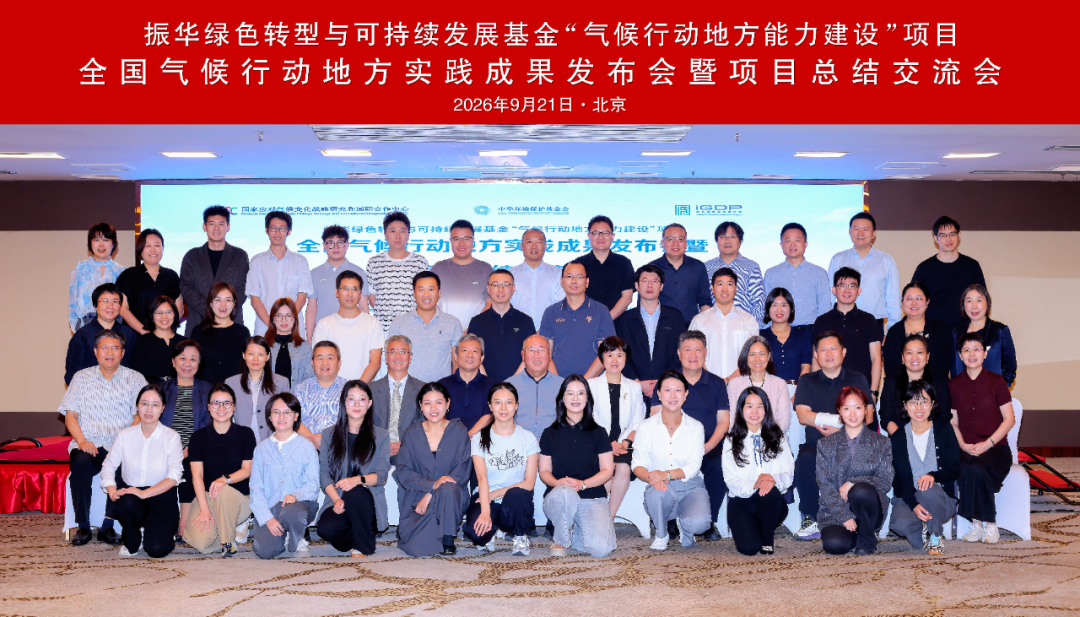
The conference was guided by the China Environmental Protection Foundation and the Institute for Global Decarbonization Progress, with support from Carbonstop (Beijing) Technology Co., Ltd.
Attendees included Xie Zhenhua, China’s former Special Envoy for Climate Change; Xu Guang, Chairman of the China Environmental Protection Foundation; Liu Chunlong, Vice Chairman and Secretary-General of the Foundation; Wang Zhengang, Deputy Secretary-General of the Foundation; Hu Songqin, Director General of NCSC; Xu Huaqing, Chief Scientist of NCSC; Hu Min, Director of the Institute for Global Decarbonization Progress; Li Zheng, Dean of the Institute of Climate Change and Sustainable Development at Tsinghua University; and representatives of local climate action partners from across China.
Through project results presentations, keynote speeches, regional experience sharing, roundtable discussions, and field visits, the event showcased project achievements and local climate action practices. Participants also explored long-term mechanisms for strengthening local climate action capacity and advancing coordination between central and local authorities and across regions.
01
● ● ●
Bringing Local Forces Together to Strengthen Climate Action Capacity
Xie Zhenhua: The project has played a positive role in mobilizing local stakeholders and building collaborative networks
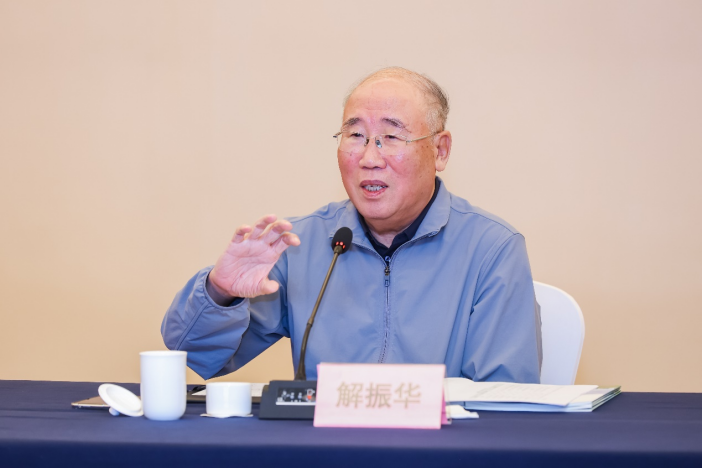
He noted that the project has played a positive role in bringing together local stakeholders, building collaborative networks, developing replicable and scalable practices, and supporting the implementation of local dual-carbon policies and climate adaptation initiatives. He expressed the hope that the platform’s partners would further strengthen their research support and continuously improve decision-making support for local climate action.
Hu Songqin, Director General of NCSC, stated that China’s response to climate change has entered a critical stage in which carbon reduction is the central priority and both mitigation and adaptation receive equal emphasis. Local governments and communities are at the forefront of policy implementation, industrial transformation, and climate adaptation.
As a strategic research think tank on climate change directly affiliated with the Ministry of Ecology and Environment, NCSC will continue to serve as a bridge, provide coordination and research support, and help strengthen the foundations of local climate governance in China.
Participants held in-depth discussions on the implementation of local dual-carbon policies, green industrial transformation, climate adaptation, regional coordination, and capacity building. These exchanges helped build consensus on improving local climate governance systems and promoting effective practices.
02
● ● ●
AI-Powered Local Green and Low-Carbon Transformation
At the conference, Yan Luhui, Founder and CEO of Carbonstop, delivered a presentation titled “Pathways for Local Green and Low-Carbon Transformation Under the Carbon Peaking and Carbon Neutrality Goals.”
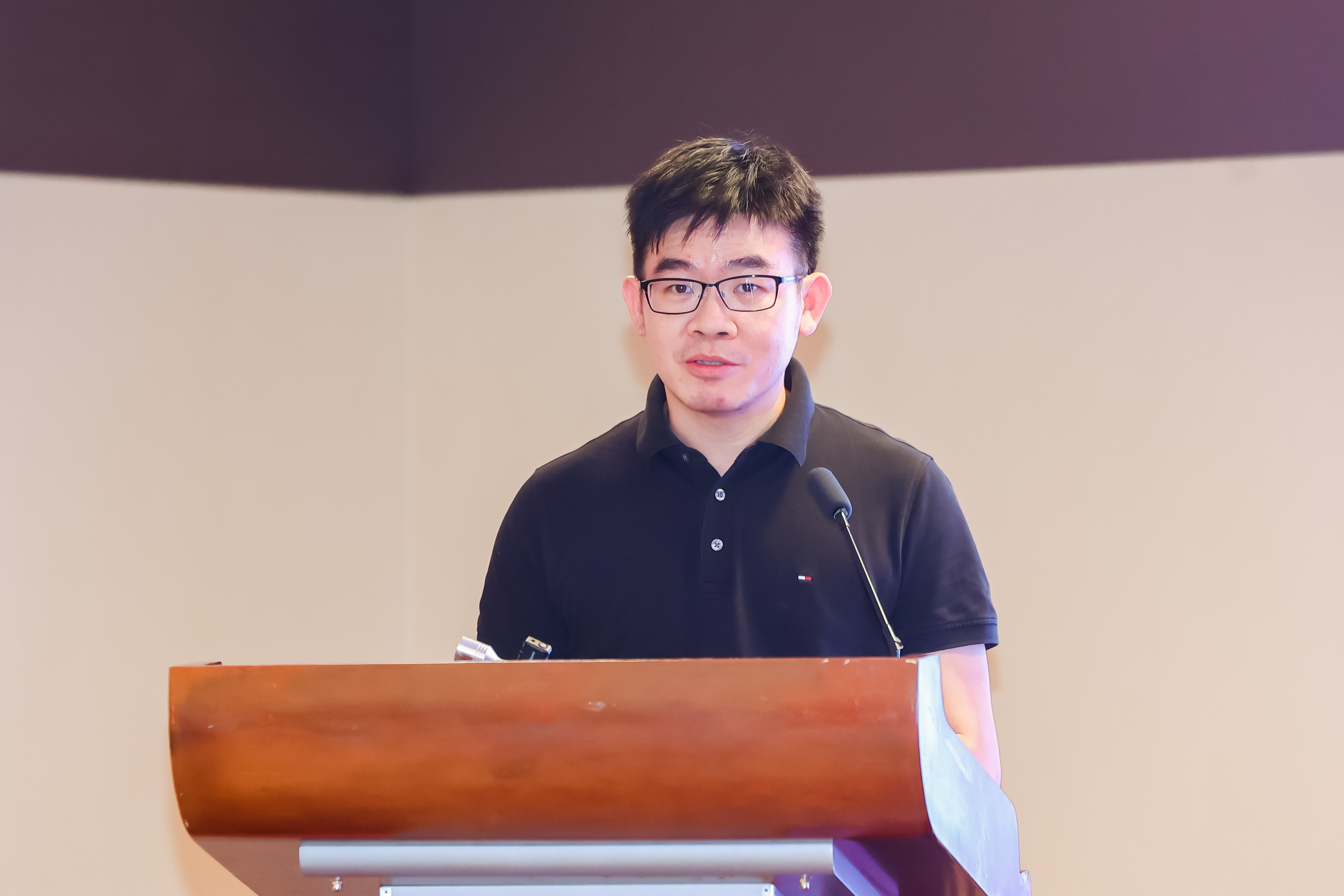
He observed that, against the backdrop of China’s dual-carbon goals and the rapid development of AI, local green and low-carbon transformation is moving from digitalization toward intelligence.
Drawing on projects including Beijing’s smart carbon footprint management system and service platform, the Chaoyang District carbon inclusion platform, BOE, and the Palace Museum, Yan explained how AI-powered carbon management can support government governance, enterprise transformation, and the green development of public institutions.
These applications help create an integrated management loop spanning carbon accounting, emission-reduction opportunity identification, and intelligent decision-making, providing local governments with replicable and scalable experience for low-carbon transformation.
03
● ● ●
Exploring Beijing’s Low-Carbon Practices
During the conference, delegates visited Wenyuhe Park Future Wisdom Valley and the Huadian Tianning No. 1 Culture and Technology Innovation Park to learn about Beijing’s practices in public participation in low-carbon initiatives, green infrastructure, and urban renewal.
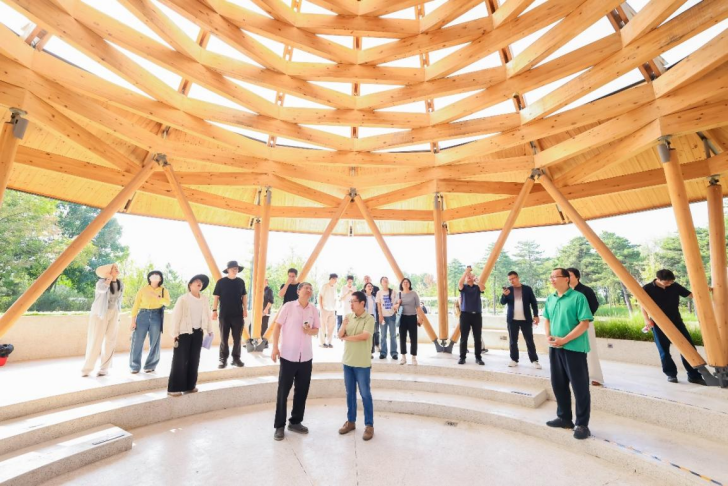
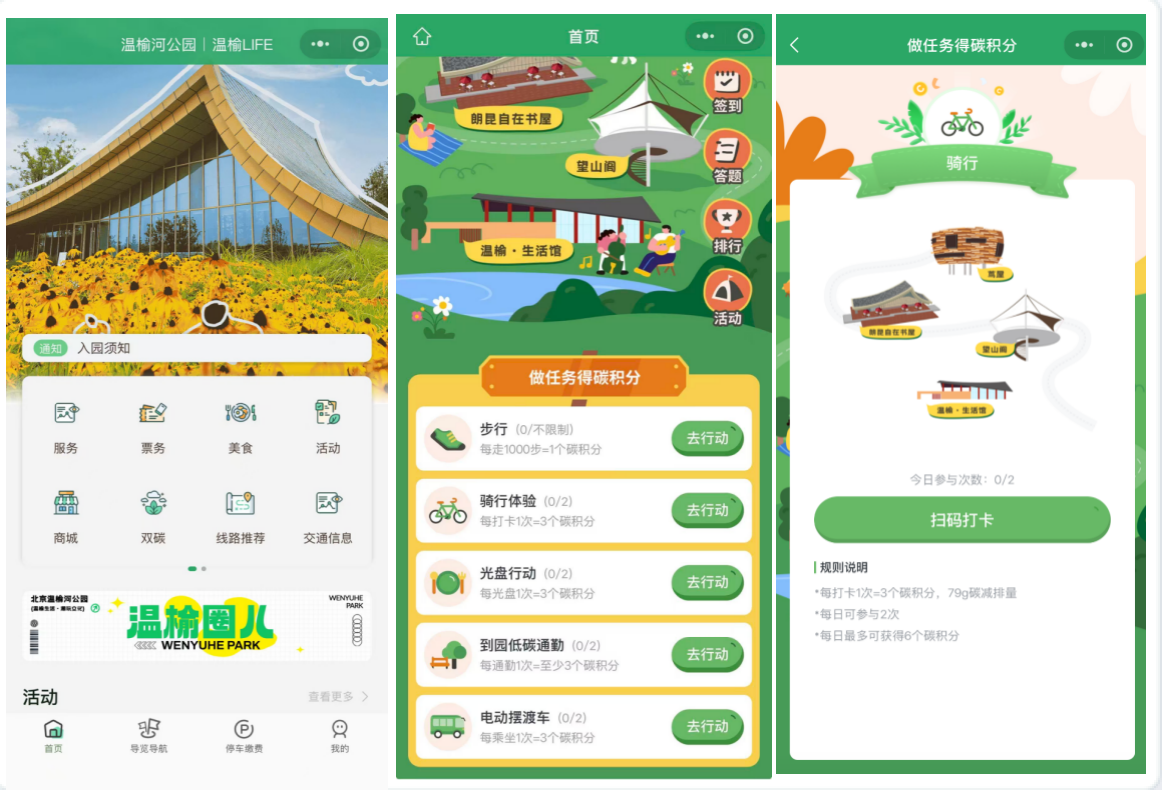
At Wenyuhe Park Future Wisdom Valley, delegates experienced the “Carbon Bao” interactive area and the smart carbon-points park system. They also examined low-carbon facilities such as photovoltaic paving and solar-powered seating.
Carbonstop provides carbon-emission-reduction quantification support for the park’s carbon-account and carbon-points mechanisms. This system converts low-carbon public behavior into carbon points that can be recorded, calculated, and rewarded, helping integrate green concepts into everyday park visits.
04
● ● ●
Turning Local Experience into Long-Term Governance Capacity
The conference brought together and facilitated the exchange of local practices, while offering new ideas for improving local climate governance systems, strengthening regional coordination, and replicating and promoting effective models.
NCSC will continue to perform its role as a national think tank and coordinating platform. It will consolidate, refine, transform, and promote the practical achievements, institutional experience, and working models developed through the project.
NCSC will also continue to strengthen and make effective use of the Local Climate Action Partnership Platform by providing ongoing policy empowerment, technical support, experience sharing, and regional coordination.
Looking ahead, Carbonstop will continue to apply its expertise in carbon data, digital platforms, and AI-powered carbon management. By strengthening cooperation with governments, enterprises, public institutions, and other stakeholders, Carbonstop aims to help translate more local climate goals into actionable, measurable, and sustainable green initiatives and provide digital and intelligent support for the comprehensive green and low-carbon transformation of local economies and societies.


